Sell Unwanted Furniture Easily Without the Hassle of Storage

A spare sofa in the hallway can feel manageable for a day or two. After a week, it starts to feel like it has taken over your home.
Selling unwanted furniture should be simple, but the reality often looks very different. You take photos, write descriptions, reply to messages, wait for people who may or may not turn up, and keep the item somewhere safe while all of that happens. If you are moving, redecorating, downsizing, or clearing a room for a new arrival, storage becomes the biggest problem of all.
The good news is that you do not have to turn your dining room into a holding area or pay for storage while waiting for the right buyer. A convenient furniture-selling service can help you move items on quickly, without the usual back-and-forth.
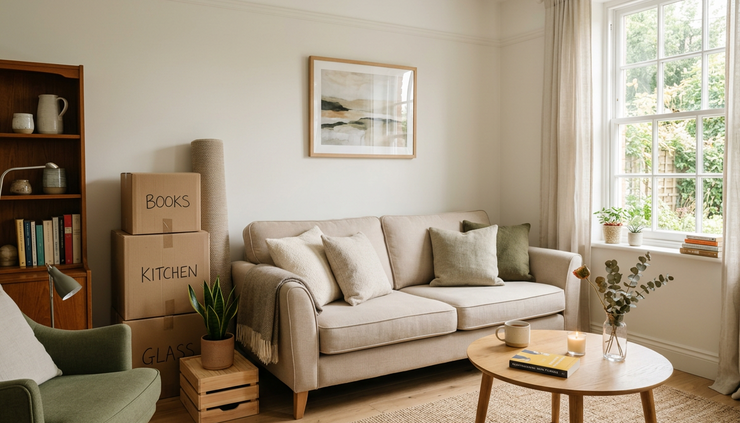
Why selling furniture often becomes a storage problem
Furniture is not like a bag of clothes or a box of books. It takes up real space, and once you decide it needs to go, it usually becomes inconvenient very quickly.
A wardrobe might block access to a spare room. A dining table may sit awkwardly in a garage. A sofa can swallow up half a hallway while you wait for someone to collect it. If you live in a flat, the problem can feel even bigger because there may be no shed, garage, or spare room to use as a temporary holding space.
Then there is the timing. Private selling often means working around other people’s schedules. A buyer might ask to collect next week. Another might want more photos. Someone else may agree a time and then stop replying. During all of this, the furniture is still in your home.
Storage can also affect the item itself. Furniture kept in the wrong place may pick up marks, dust, damp smells, or small knocks. That can make it harder to sell and may reduce the offer you receive later.
Common storage headaches include:
Limited floor space
Large items can make everyday rooms harder to use.
Awkward access
Bulky furniture stored in hallways, stairwells, or garages can become a daily nuisance.
Risk of damage
Moving items from room to room increases the chance of scratches, dents, and worn corners.
Pressure during a move
When moving day is close, waiting for a private buyer can add stress you do not need.
Uncertain collection times
A sale is not really finished until the item has left your property.
That is why a quicker, clearer selling route can make such a difference.
A simpler way to sell unwanted furniture
Instead of listing your item, storing it for weeks, and handling every enquiry yourself, our service gives you a far more direct option. You send us the key details, we review the item, and you receive an offer. If you are happy to go ahead, the next steps are arranged clearly, so you are not left guessing.
This approach works well for people who want to declutter without turning the process into another project. It is especially useful when you need space back quickly or you simply do not want the hassle of dealing with multiple buyers.
You can use the service for a range of furniture, depending on condition, demand, and practicality. This may include items such as:
sofas and armchairs
dining tables and chairs
sideboards and cabinets
wardrobes and chests of drawers
desks and bookshelves
beds and bedroom furniture
Every item is assessed on its own merits. A well-kept piece from a good-quality brand may attract strong interest. A practical everyday item in clean, usable condition can also be worth sending in for review.
Selling this way is not about making your home look perfect. It is about giving clear, useful information so your furniture can be assessed fairly.
How the service works from start to finish
The process is designed to be easy. You do not need professional photos, sales experience, or a long description. You just need to share the right information.
Send clear details about the furniture
Start by telling us what the item is. Include the furniture type, approximate size, material, brand if known, and a few notes about its condition.
Useful details include:
the item category, such as sofa, wardrobe, table, or chest of drawers
measurements in centimetres where possible
the colour and main material
the brand, maker, or retailer if you know it
the age of the item, even if approximate
any signs of wear, marks, repairs, or missing parts
whether the item can be dismantled
access details, such as stairs, lifts, tight corners, or parking restrictions
Photos are just as important as the written details. Try to send images that show the item clearly from different angles. Natural daylight works best, but a bright room light is fine if daylight is not available.
Good photos to include:
a full front view
a side view
a close-up of the material or finish
photos of any labels, brand marks, or tags
close-ups of scratches, stains, dents, or wear
an image showing scale, if helpful
Being honest about condition helps everyone. Small marks do not always stop a sale, but surprises later can cause delays. Clear information makes the offer process smoother and avoids awkward conversations.
Receive an offer without the usual waiting around
Once your details and photos are received, the item can be reviewed. The offer will usually be based on factors such as condition, style, resale demand, age, quality, and how practical the item is to collect and move.
You are not expected to haggle with strangers or reply to repeated low offers. Instead, you receive a clear offer and can decide whether it works for you.
If the offer is accepted, collection or the next step is arranged. This is where the service becomes especially helpful. The goal is to remove the furniture from your home with as little disruption as possible, so you can get your space back.
Enjoy a hassle-free selling experience
The biggest benefit is peace of mind. You avoid many of the most frustrating parts of private selling, including endless messages, last-minute cancellations, and having large items sitting around for longer than planned.
With a direct service, you can:
clear space faster
reduce the need for temporary storage
avoid arranging viewings with multiple people
skip the awkwardness of negotiating at the door
plan around a clearer collection process
focus on your move, renovation, or decluttering project
That makes it a helpful option whether you are clearing one chair or several rooms of furniture.
Why less storage means less stress
There is a real emotional benefit to getting unwanted furniture out of the way. Clutter is not just visual. It changes how you move through your home and how easy it feels to relax.
A spare bed frame leaning against the wall can make a room feel unfinished. A bulky cabinet waiting in the hallway can make daily life feel cramped. Even when furniture is valuable, useful, or in good condition, it becomes clutter when it no longer serves your space.
Selling quickly helps you make decisions and move forward. It can also stop the “I’ll deal with it later” cycle. Once a service gives you a clear route, the job feels smaller and more manageable.
The easiest furniture to store is the furniture you no longer need to store at all.
This is especially true during big life changes. Moving home, preparing for a baby, helping a relative downsize, or replacing old furniture can all create extra pressure. A simple selling process turns one large task into a few clear steps.

How to prepare furniture before sending it in
A little preparation can make your furniture easier to assess and may help you get a better response. You do not need to refurbish it or spend hours polishing every surface. Focus on making the item clean, clear, and easy to understand.
Give it a proper clean
Dust, crumbs, pet hair, and surface marks can make furniture look more worn than it really is. A quick clean can make a big difference.
For wooden furniture, wipe surfaces with a soft cloth and a suitable cleaner. For sofas and upholstered chairs, vacuum between cushions and remove loose debris. For glass, use a streak-free cleaner where possible.
Avoid soaking fabrics or using harsh products unless you know they are safe for the material.
Check for small fixes
Look for simple issues you can sort quickly. Tighten loose screws, reattach a handle, or put shelves back in place before taking photos. If something cannot be fixed, mention it clearly.
Small repairs are useful, but do not hide faults. Honest details build trust and help avoid delays later.
Remove personal items
Empty drawers, cupboards, and shelves before taking photos. Check under cushions and inside storage compartments too. Personal items in photos can distract from the furniture and may reveal things you would rather keep private.
A clear item is easier to assess and easier to collect.
Measure carefully
Measurements help avoid surprises, especially with large furniture. Use centimetres and include height, width, and depth. For sofas, include overall width and depth. For tables, include the length, width, and height.
If an item can be dismantled, mention that too. It can make collection easier, especially in properties with narrow stairs or tight turns.
Photograph the item honestly
Do not try to hide marks or damage. Include close-ups of wear, as well as flattering full-item photos. Good lighting and plain surroundings help, but honesty matters most.
A helpful photo set shows both the appeal and the condition of the piece.
When to sell instead of store
Storage can make sense for items you genuinely plan to use again. But if furniture has no clear place in your home, it may be time to let it go.
Ask yourself:
Have I used this item in the last six months?
Would I buy it again today?
Do I have a real plan for where it will go?
Is it costing me space, money, or time to keep it?
Am I holding onto it out of guilt rather than need?
If the answers point towards selling, acting sooner can save a lot of effort. The longer unwanted furniture sits around, the easier it is to stop noticing it. Then one day you realise half the spare room has become a storage unit.
Selling while the item is still in good condition is usually better than waiting until it has been bumped, scratched, or forgotten in a damp garage.

Make decluttering feel achievable
Decluttering does not have to mean clearing the whole house in one weekend. Start with one item that is taking up more space than it deserves. Once that piece is gone, the room often feels lighter, and the next decision becomes easier.
Large furniture is a great place to begin because the change is immediate. Removing one wardrobe, desk, or sofa can transform how a room works. You might gain space for a home exercise area, a reading corner, a child’s play space, or simply more room to move.
To keep things simple, try this approach:
Choose one furniture item you no longer need.
Clean it and take clear photos.
Send the details for review.
Consider the offer.
Arrange the next step and enjoy the freed-up space.
That is far easier than weeks of listings, messages, viewing times, and storage worries.
Selling furniture should not leave you living around the thing you are trying to get rid of. With a clear, friendly service, you can send the details, receive an offer, and move on without the usual fuss. If your home feels crowded by pieces you no longer use, now is a good time to reclaim that space and let your unwanted furniture find its next home.
Comments